The grant paid for a digital story. Who can edit it next year?
What a community arts organisation needs to correct, preserve and republish a digital project after the grant ends.
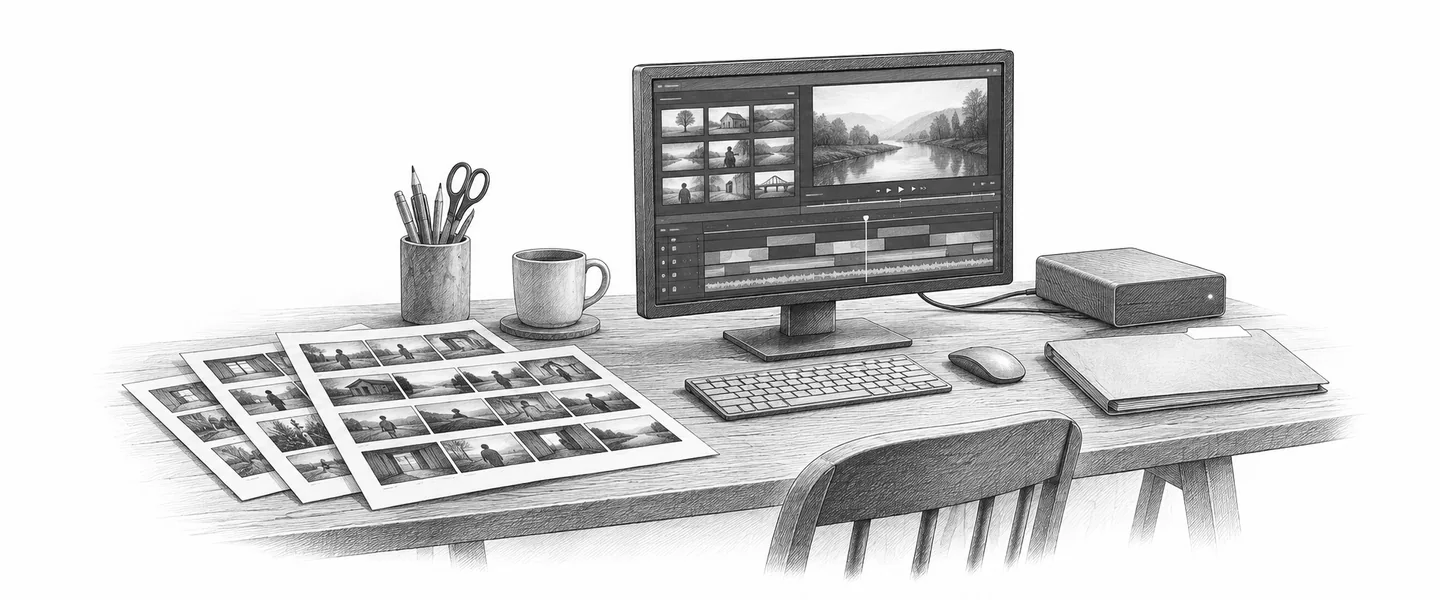
Imagine a community arts organisation has made an interactive story with recordings, illustrations and text in two languages. The grant has closed, and a contributor phones to correct how their name appears. The current team can find the finished version. The material that would let them make the correction is spread across a freelance editor's computer and an account nobody in the organisation can open.
Colombia's Crea Digital programme listed a March opening for its 2026 call. The official guidance names categories for digital animation, video games, transmedia narratives and content created by ethnic groups. Those formats ask different things of a team once the project is delivered. A film needs its source material and captions. A game may need a way to build a new version. A story split across several channels needs someone who can find and update each part. The correction in the opening is hypothetical. It is a useful acceptance test for the people receiving a finished project. MinTIC's Crea Digital guidance
Ask for the thing someone can edit
Have the commissioning organisation list the work it expects to do later. It might correct a credit, add subtitles or replace a broken link. For one of those jobs, ask the supplier to show which files they would open. If the answer is that only the production team can make the change, price that dependency and decide whether the organisation can afford it.
For a video, keeping a copy that plays is a good start. The editor may also need a project file, the audio on its own, the captions and a list of what has been licensed. For an interactive piece, it helps to keep a copy that can be run as well as the files and instructions used to produce it. For a game, ask what the team would need to publish a small correction after a device or operating system changes. Choose deliverables that fit the future jobs the organisation can actually see itself doing.
Ask for a short list of everything those files depend on. A font may be part of the experience but licensed only to the designer. An editor may have used a plug-in for an effect somebody else can't reproduce. If the dependency is cheap to replace now, decide whether to do it while the people who made the piece can still test the result.
Let participants decide how their contributions can travel
A recording can have permission for use in an exhibition and a different set of conditions for distribution online. Keep the permission with enough context to know which recording it refers to. Ask whether it covers a translation, a new extract or reusing the material in a future project. The organisation can keep the resulting record somewhere accessible to an authorised editor without publishing somebody's contact details.
For a project involving a community language or practice, ask who should decide about a disputed translation or an unsuitable use. The supplier who made the public site may have no authority to make that judgement. Give the people who do have authority a way to see what is about to change and to ask for a correction. Decide this while contributors can still tell the organisation how they want the work handled.
A project can also have material that shouldn't travel onward with a general export. The recordings retained to finish the work and the copies cleared for public distribution can belong in separate places. The person handing the project to a new editor should know which set to send. A list of permissions works only if it lets them connect the right decision to the right item.
Check ownership of the place people find the work
The team needs to know who controls the account that publishes the project and where its recovery messages go. A supplier can still take care of technical work. The commissioning organisation should be able to bring in someone else or retrieve the material if that supplier stops. Ask for a practical demonstration while the original team is available.
Think about where people are sent when the work appears in a festival programme or school resource. If a finished site has to move, keep the old address long enough to guide people to the new one where possible. If part of the story lives on a platform the organisation can't control, keep a record of which pieces are there and a copy the organisation can use within its permissions. Make sure somebody knows which parts would be lost if a channel closed.
A realistic budget may only pay for a simple page and the appropriate archive. That's a decision the team can make. The more expensive choice is leaving several services running with bills and accounts that nobody knows about, then discovering those obligations when a payment fails. Whoever signs off delivery should know the ongoing cost and which renewals have a consequence for the public work.
Keep an accessible copy somebody can open
A project designed for a particular exhibition can lose part of its meaning when visitors can only reach it online. Choose a version that somebody can use away from the original setting. Ask whether the text still makes sense without the accompanying audio, and whether a person can tell which language they are reading or listening to. If the project can offer a transcript or captions, keep the files that allow the editor to correct those too.
Think about how the archive will be handed to somebody with a slower connection. Give them a way to see what it contains and download only what they need. An editor working on a credit shouldn't have to transfer the entire video archive just to find the right name. A short index of versions and permissions can make that decision easier. The index needs to be understandable to the person taking over, even if they have never used the editing tools.
Try the edit before the project closes
Choose a test change that won't affect the public version. Give the material to somebody who wasn't on the production team and ask them to adjust a caption, fix a credit or build a fresh copy of the project. Let them use the accounts and instructions they will have after handover. If they can't proceed, ask where they stopped and record what would resolve it.
Repeat the test with someone from the organisation who has to decide whether the change is appropriate. The developer can make the requested correction, while an editor or community representative decides what the public wording should be. The handover has to support both jobs. Check that a failed attempt can be put aside without altering the copy people can already see.
Decide before the last payment which of those tasks the organisation must be able to do and which it will pay somebody to do later. There is no need to teach every member of staff to build a game. There is a need for someone to find the right version and commission a correction without starting over. Then the contributor who phones about their name has a better chance of reaching the person who can fix it.